
Life sciences research
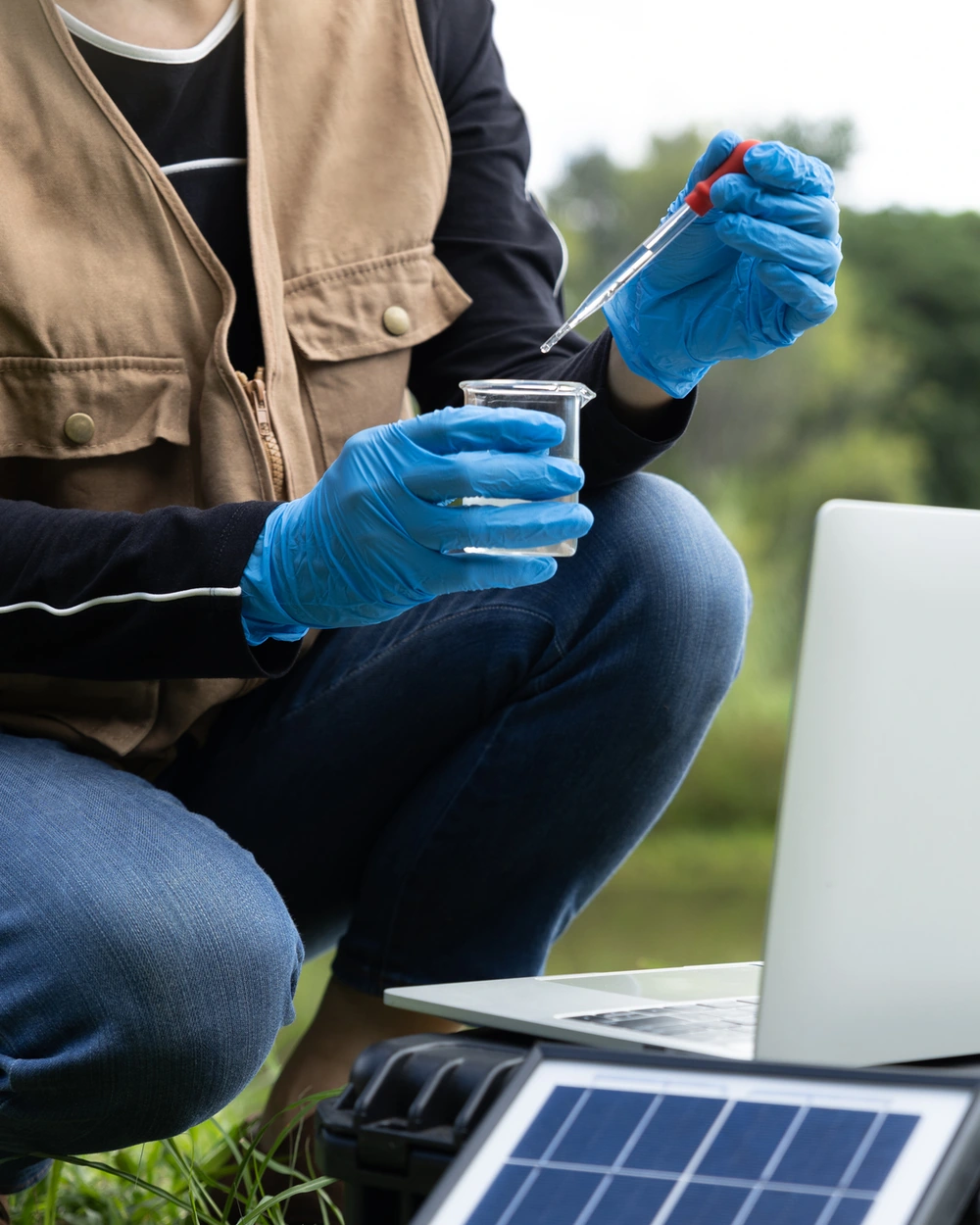
When a study needs measurements in a feedlot, at a water-sampling site or another field setting, sending specimens back to a laboratory can delay the answer. With its compact reader and colour-active slides, VICA™ supports selected binding and quantification assays where the samples are collected. Pavonis can perform the study for your team or develop a suitable test and supply the platform for on-site research.
Study arrangements
Testing and the agreed measurements for the target and sample matrix
Review the results in monitoring or other studies that can accommodate shipment
Development of a suitable test and supply of a VICA™ platform
Operate the agreed assay locally when sending samples away would delay the answer
The target, sample preparation, assay and operating requirements determine the arrangement. Tell us where and when the measurement is needed so we can plan around the scientific question and research setting.
Field research
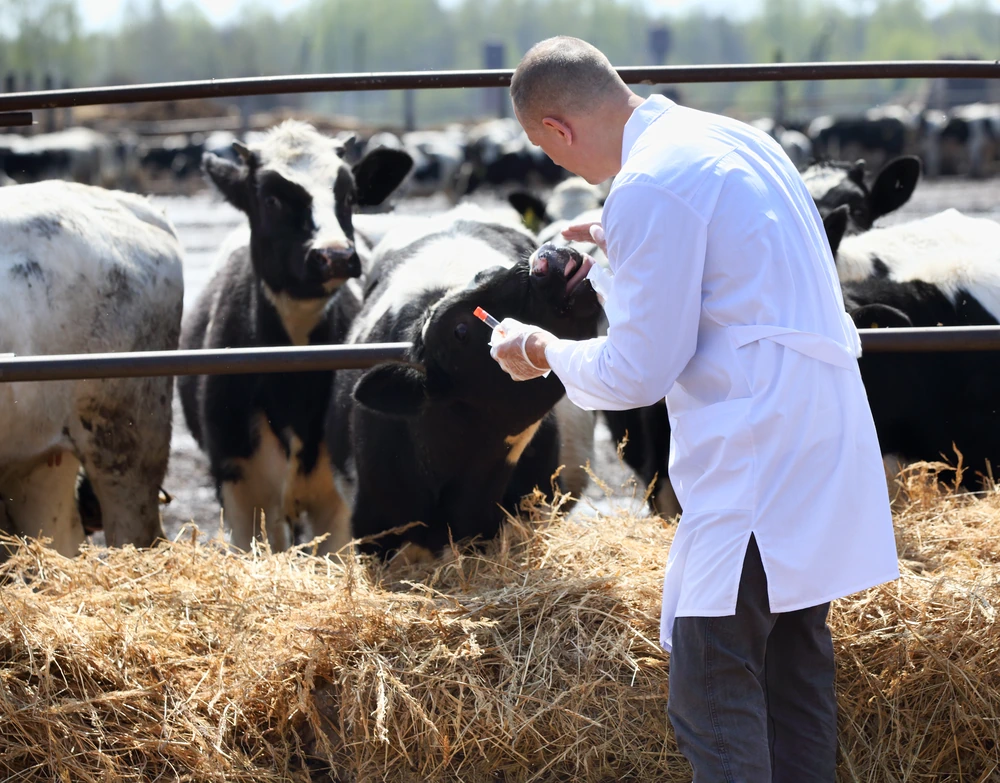
In a completed commercial-feedlot project, veterinarian Dr. Michael Jelinski worked with Drs. Todd McMullen and Matthew Nickel to investigate a VICA™ prototype for measuring haptoglobin, a marker associated with bovine respiratory disease. The work took a laboratory test into an agricultural setting, applying the assay where cattle were being studied. Pavonis was among the funders of the project.
Published laboratory research involving VICA™ appears in npj Biosensing, Nature Communications and Molecular Pharmaceutics.
Applications
For a target that needs detection or quantification, the sample matrix is part of the assay assessment. Pavonis reviews both to determine whether a suitable VICA™ approach is available and what preparation and controls are required.
When a result changes between buffer and another relevant medium, the sample matrix becomes part of the investigation. Comparing those conditions can help your team identify which differences need follow-up before applying a laboratory finding to its research samples.
When pH, ionic strength or temperature may affect an interaction, selected VICA™ studies can compare binding as those conditions change. The findings help identify which conditions need further investigation.
Samples
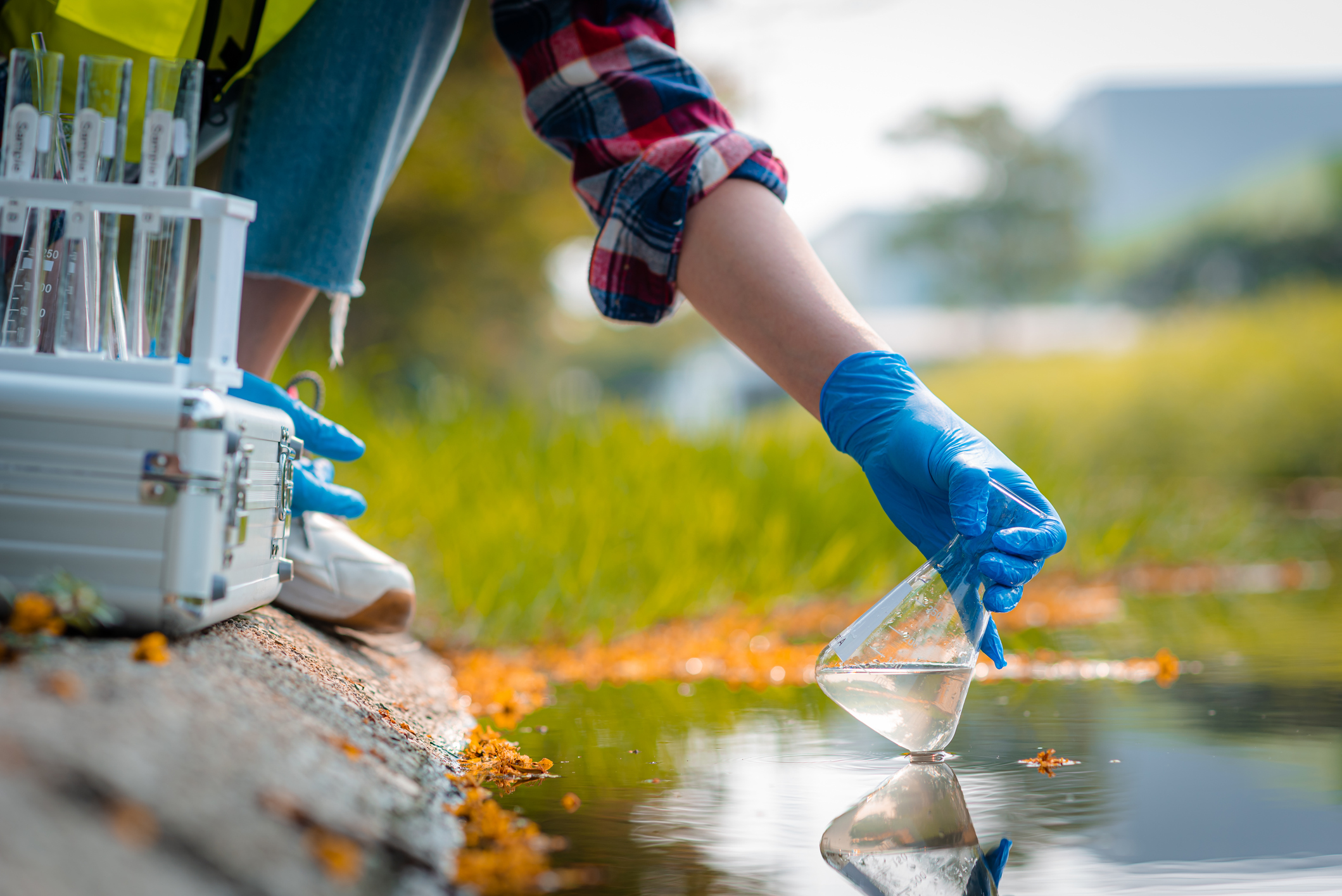
Buffer, serum, whole blood, urine, stool and water are among the media that VICA™ studies can include. Whether an assay is suitable depends on the target and matrix together, so Pavonis reviews preparation, background signal and controls before proposing the measurement.
For work with limited material, the ability to use small samples can make selected comparisons practical. The volume and analysis are confirmed for the experiment, taking account of the samples to be tested.
Next step
Describe the target, sample conditions and measurement you need, including where and when the result will be used. Tell us whether you want Pavonis to perform the testing or need to operate the assay in your own laboratory or field setting. We will review the application and propose suitable testing arrangements. The work described here is for research; clinical diagnostic applications require separate development and validation.